

Windows in a building play a far greater role than simply letting light inside. They influence how a space feels, how air flows through it, how much heat is gained or lost, and how well the building performs overall. In both residential construction and larger commercial projects, choosing the right window type is essential for comfort, energy efficiency, and architectural style.
From classic homes to modern developments, there are several window types used across Australian buildings. Each option has its own purpose, benefits, and ideal application depending on location, climate, and design goals.
Why windows matter in building design
Every building window contributes to more than just appearance. Well-designed windows provide natural light, create a visual connection to the outdoors, and support ventilation and thermal performance. Poor window selection, on the other hand, can lead to heat loss, unwanted heat gain, air leakage, and higher energy costs.
When selecting windows for buildings, it is important to consider:
-
- The building’s architectural style
- Orientation and sun exposure
- Ventilation requirements
- Energy efficiency and insulation
- Australian building regulations and standards
- Security and acoustic insulation
Understanding the different types of windows in architecture makes it easier to choose the best solution for each space.
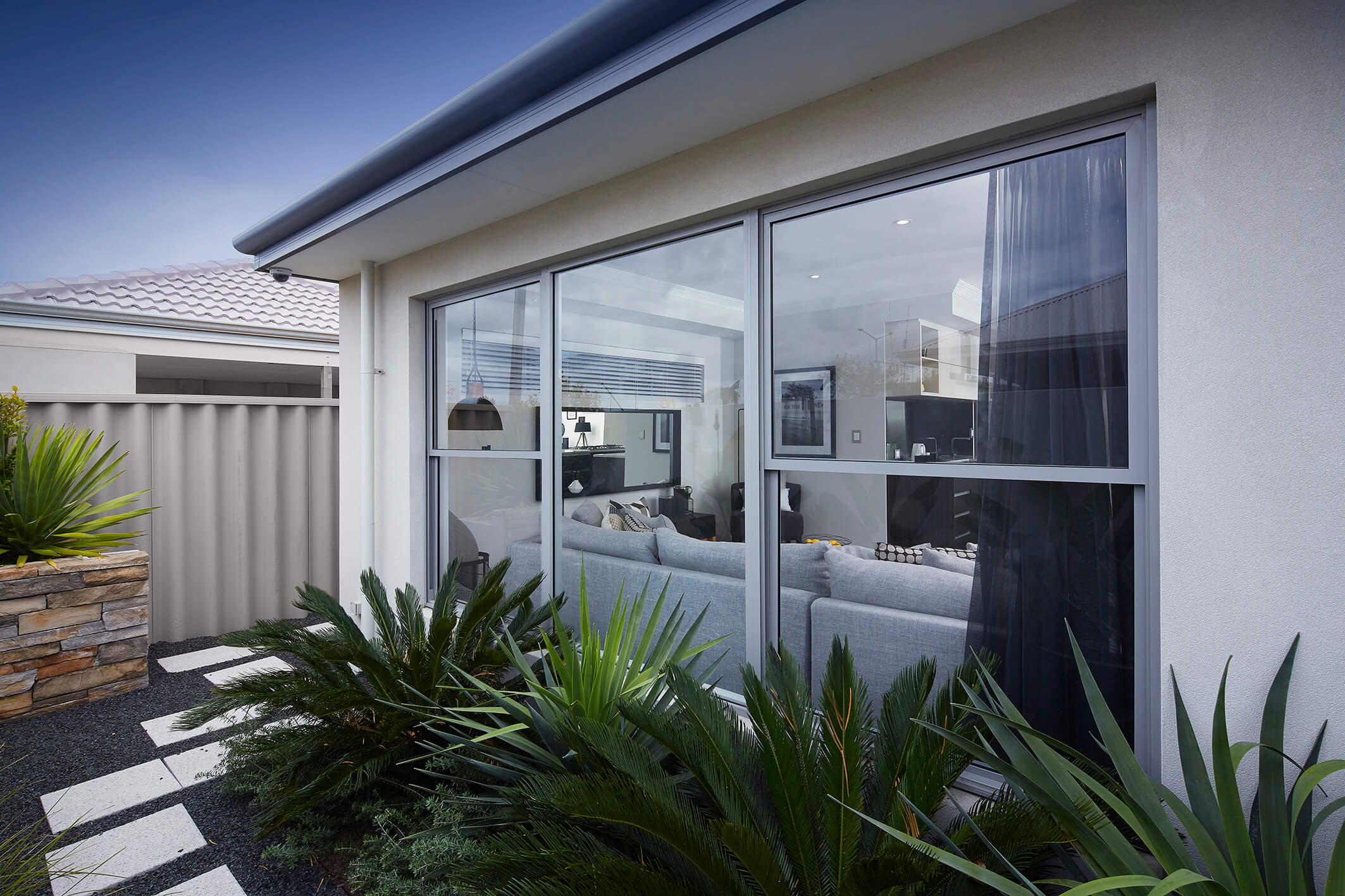
Double hung windows
Double hung windows feature two panels, or sashes, that slide vertically within the frame. Either the top or bottom sash can be opened, allowing controlled ventilation without fully opening the window.
This style is commonly seen in heritage homes and modern residential construction alike. Double hung windows are practical, easy to clean, and suitable for rooms where space outside the window is limited.
Key advantages:
- Flexible ventilation options
- Classic architectural appeal
- Can be fitted with two panes for better insulation
Double hung windows remain a staple window type across many Australian homes.
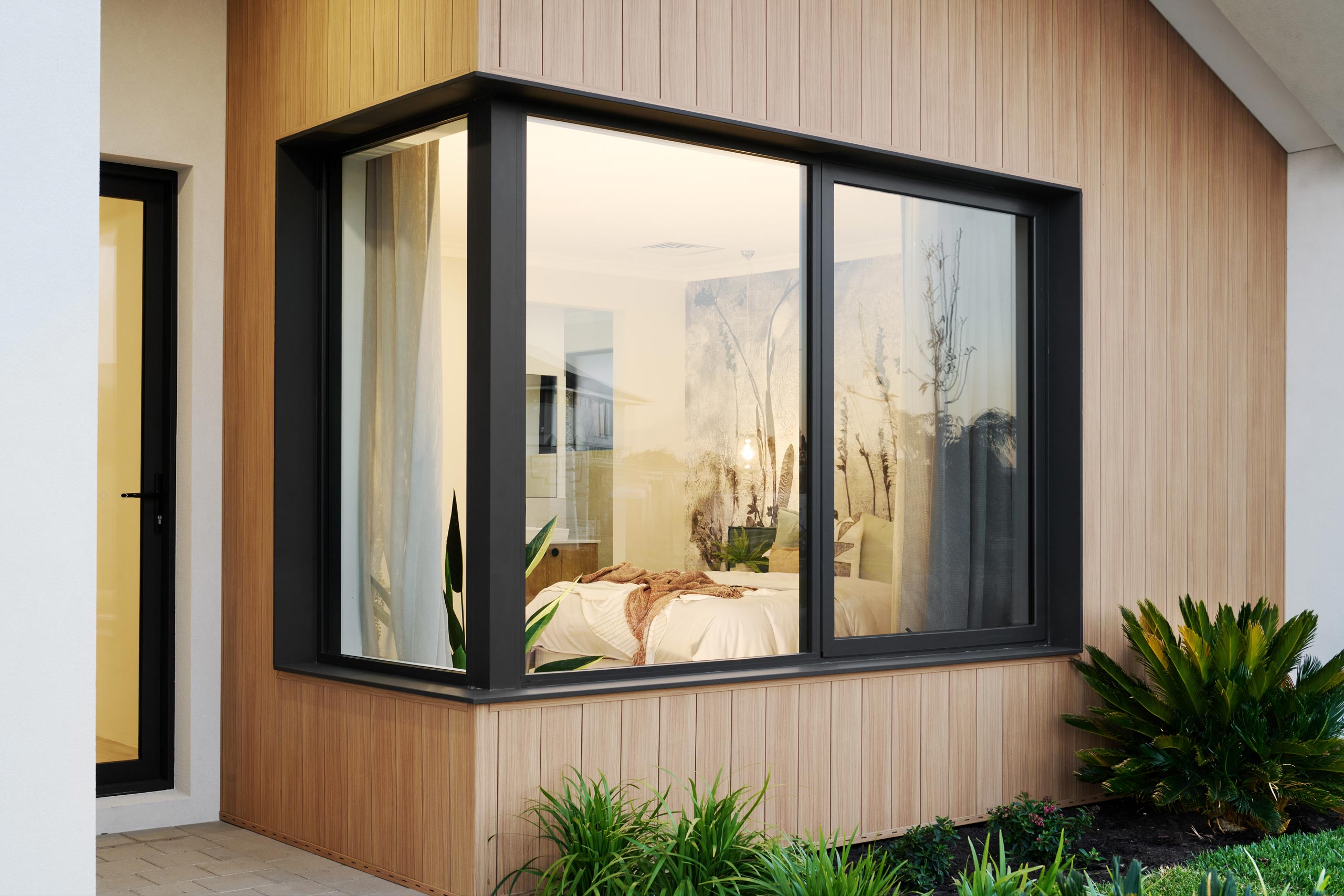
Awning windows
Awning windows are hinged at the top and open outward from the bottom. This design allows the window to remain open during light rain while still providing airflow.
In window construction, awning windows are often used higher on walls or combined with fixed panels to maximise natural light while maintaining privacy.
Common uses include:
- Bathrooms and laundries
- High wall installations
- Pairing with fixed windows for light and ventilation
Awning windows provide good weather protection and support energy-efficient design when paired with low-E glazing.
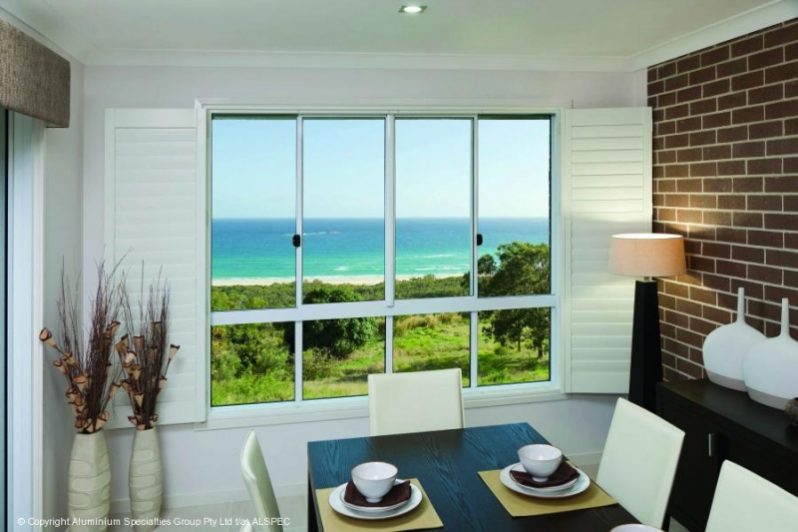
Sliding windows
Sliding windows open by sliding horizontally along a track. One panel moves while the other remains fixed, making them ideal where interior or exterior space is limited.
These windows are widely used in modern windows building designs due to their simplicity and clean appearance. Sliding windows are also easy to operate and maintain.
Benefits include:
- Smooth operation
- Suitable for wide openings
- Ideal for contemporary architectural style
While they do not open as fully as casement windows, sliding windows remain a popular choice in many residential and commercial settings.
Fixed windows
Fixed windows do not open. Instead, they act as fixed panels designed purely to bring in light and enhance visual connection.
In types of window architecture, fixed windows are often used to frame views, create feature walls, or add architectural interest. They are commonly installed alongside opening windows to balance ventilation and light.
Why choose fixed windows:
- Maximise natural light
- Superior insulation due to no opening gaps
- Clean, modern aesthetic
Fixed windows offer excellent structural strength and thermal performance.
Casement windows
Casement windows are hinged on one side and open outward using hinges. They are popular in both traditional and contemporary window types architecture due to their versatility and clean lines.
Because the window opens fully, casement windows allow maximum airflow and are excellent for encouraging fresh air through a room. When closed, they seal tightly against the frame, helping reduce air leakage and heat transfer.
Best suited for:
- Living areas and bedrooms
- Homes requiring strong ventilation
- Designs where energy-efficient performance matters
Casement windows also work well with double-glazed windows, improving thermal and acoustic insulation.
Roof windows and skylights
Roof windows are installed directly into the roof structure rather than the walls. They are designed to bring light into areas where standard windows cannot be installed.
In modern window types architecture, roof windows are often used to brighten hallways, lofts, and upper-level spaces.
Key benefits:
- Maximise natural light
- Improve ventilation when operable
- Reduce reliance on artificial lighting
Roof windows can significantly enhance energy efficiency when installed correctly.
Window frames and materials
Beyond window style, the frame material plays a major role in performance and durability. Aluminium window frames are widely used in Australian buildings due to their strength, slim profiles, and resistance to corrosion.
When combined with thermal break technology and double glazing, aluminium windows provide superior insulation and long-term performance.
Choosing the best window type for your building
The best window type depends on how the space is used, the building’s orientation, and the desired balance between ventilation, light, and insulation. In most homes and buildings, a combination of several types of windows delivers the best results.
Professional advice and installation from Custom Screens ensures windows are installed correctly, meet Australian standards, and perform as intended over time.
Get in contact today!
Frequently Asked Questions
What are the most common windows in a building?
Casement windows, sliding windows, double hung windows, awning windows, and fixed windows are among the most commonly used across residential and commercial buildings.
Are double-glazed windows worth it?
Yes. Double-glazed windows reduce heat loss, improve energy efficiency, and provide better noise reduction compared to single-glazed options.
Which window type offers the best ventilation?
Casement windows typically provide maximum airflow because the window opens fully and can catch breezes from outside.
Do window types affect energy-efficiency?
Absolutely. Window construction, glazing type, frame material, and how well the window seals all influence heat transfer and overall insulation.
Are aluminium windows suitable for Australian conditions?
Yes. Aluminium windows are durable, low-maintenance, and perform well in Australian climates, especially when combined with thermal break systems.