
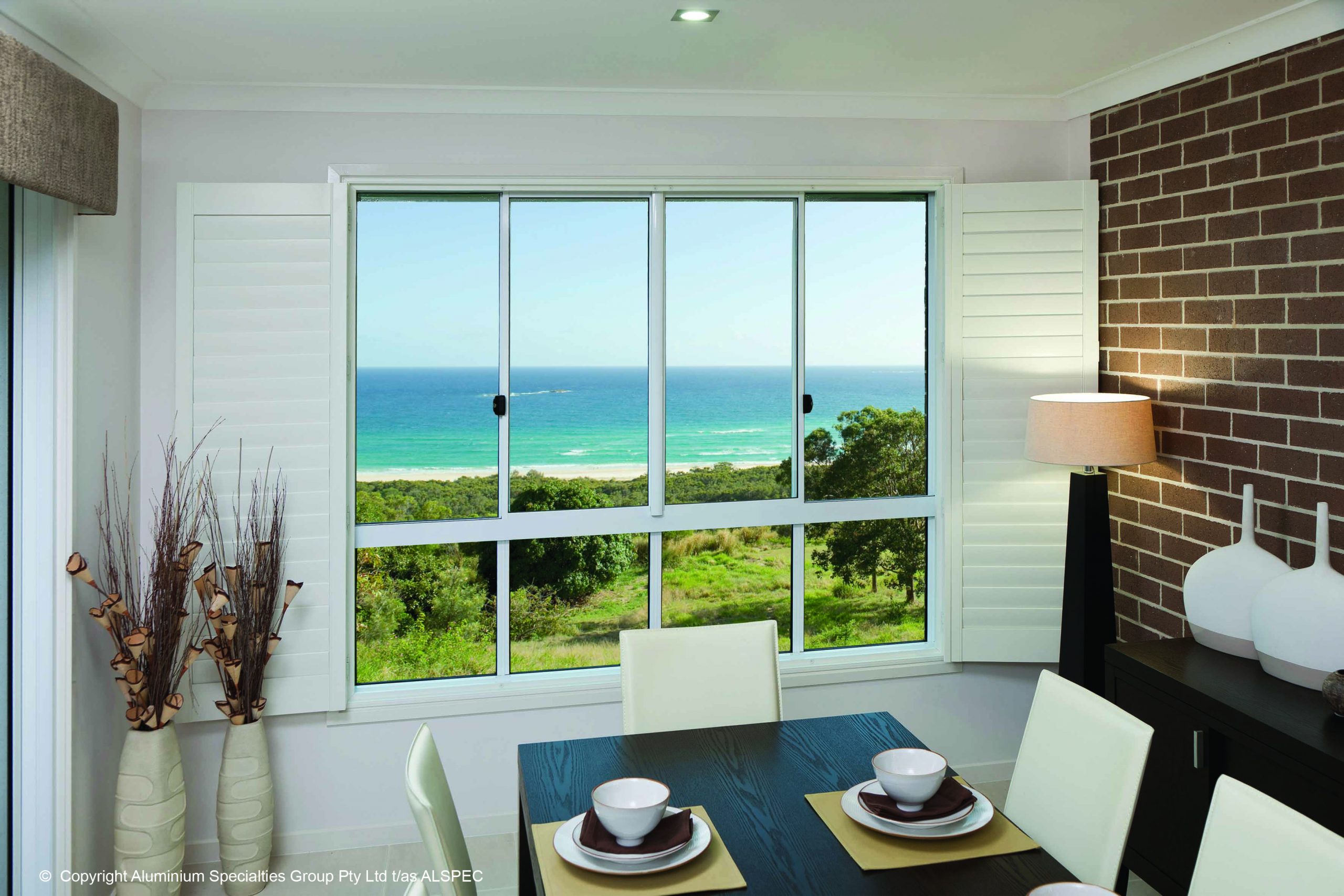
When comparing timber vs aluminium windows, there is no single material that is best for every home. Timber is often the stronger choice when natural character, traditional styling and frame insulation are priorities. Aluminium generally suits homeowners looking for durable, low-maintenance windows with slimmer profiles and a broad choice of contemporary finishes.
For many Perth homes, aluminium is particularly practical because it requires little upkeep and works across new builds, renovations and window replacement projects. Timber still has an important place, especially in heritage properties or homes where the appearance of natural materials is central to the design.
The right choice comes down to how you balance appearance, maintenance, energy efficiency, durability, cost and the architectural style of your property.
What Is the Difference Between Timber and Aluminium Windows?
The main difference is the material used for the window frame.
Timber frames are manufactured from wood and are generally painted, stained or sealed to protect them from weathering. They provide a natural appearance and have inherently low thermal conductivity.
Aluminium frames are manufactured from extruded aluminium profiles and generally finished with powder coating or anodising. Aluminium is strong relative to its weight, allowing manufacturers to create comparatively slim frames while supporting large areas of glass.
| Consideration | Timber windows | Aluminium windows |
|---|---|---|
| Appearance | Natural, traditional and character-rich | Clean, modern and versatile |
| Maintenance | Regular finishing and inspections required | Relatively low maintenance |
| Durability | Long-lasting when properly maintained | Resistant to rot, warping and pests |
| Insulation | Naturally low conductivity | Conductive unless thermal performance is addressed |
| Frame size | Generally more substantial | Slim profiles are possible |
| Colours | Paint or stain | Extensive powder-coated finish options |
| Coastal use | Requires careful maintenance | Suitable systems and finishes must be selected |
| Cost | Often higher initially and over time | Often more economical to maintain |
Appearance
Timber Windows
One of timber’s biggest advantages is its appearance. Natural grain and texture give timber windows a warmth that is difficult to reproduce with another framing material.
They are particularly suited to:
- Heritage and period homes
- Traditional architectural styles
- Character renovations
- Projects where natural materials feature prominently
Timber also offers flexibility in its finish. Frames may be stained to retain the natural grain or painted to complement the home’s colour scheme. They may also be refinished later if the property’s style changes.
For homeowners trying to retain the character of an older property, timber would be a strong choice.
Aluminium Windows
Aluminium offers a cleaner and more contemporary appearance. Its structural properties allow for relatively slim frame profiles, helping maximise glass area and creating the sharp lines commonly associated with modern Australian homes.
Powder coating is also available in a large range of colours and finishes, making it easier to coordinate windows with roofing, doors, cladding and other exterior elements.
For contemporary builds, renovations and homes where larger areas of glass are part of the design, aluminium windows will often be the more practical option.
Durability
Both materials have the potential to provide a long service life, but they respond differently to environmental exposure.
Timber needs protection from moisture. If coatings deteriorate and exposed timber absorbs water, the frame becomes more susceptible to swelling, cracking, warping or rot.
Quality timber that has been correctly installed, sealed and maintained may last for decades, and one advantage is that damaged timber may sometimes be repaired or refinished rather than replacing the complete window.
Aluminium does not rot, swell or suffer termite damage. It also remains dimensionally stable as environmental conditions change, making it well suited to Australia’s varied climate.
Energy Efficiency
Timber is a naturally poor conductor of heat, which gives timber frames an inherent insulating advantage. It reduces heat transfer through the frame and may also result in warmer internal frame surfaces during colder conditions, reducing the likelihood of condensation forming on the frame compared with standard aluminium.
Aluminium conducts heat more readily. Modern aluminium systems may address this through improved frame design or thermal breaks, where a less conductive material separates the internal and external sections of the aluminium frame.
However, the overall energy performance of any window also depends heavily on:
- Single or double glazing
- Low-E or other performance glass
- Quality of seals
- Air leakage
- Window orientation
- Shading
- Window size
- Professional installation
When energy efficiency is important, compare the complete window system rather than choosing on frame material alone. WERS (Window Energy Rating Scheme) ratings are a useful way to compare whole-window performance.
Maintenance
Maintenance is one of the clearest differences when comparing aluminium vs timber windows.
Timber Window Maintenance
Timber requires ongoing attention to keep moisture out and preserve its appearance. Depending on the product, finish and exposure, maintenance could include cleaning, inspecting coatings and periodically repainting, staining or resealing the frame.
Particular attention should be given to areas exposed to rain, strong sunlight or persistent moisture.
Timber therefore suits homeowners prepared to maintain their windows over the long term.
Aluminium Window Maintenance
Powder-coated aluminium generally requires much less ongoing work. Routine cleaning helps remove dirt, salt and contaminants, while seals, rollers, locks and other hardware should also be checked periodically.
Unlike timber, the frame itself does not require repainting or resealing to prevent rot.
For rental properties, busy households and homeowners who want to minimise future maintenance, this is a significant advantage.
Which Is More Secure?
Neither timber nor aluminium automatically makes a window secure.
Security depends on the complete window assembly, including:
- Frame and sash construction
- Locks and hardware
- Glass specification
- Opening configuration
- Security screens
- Installation and fixing into the building
Quality timber frames are strong, while aluminium offers excellent rigidity and is widely used in residential and commercial window systems.
If security is a priority, focus on the specifications of the complete window rather than choosing the frame material alone. Security screen options such as Invisi-Gard and Alu-Gard offer excellent protection while still allowing airflow and visibility.
Are Timber or Aluminium Windows More Expensive?
Timber windows are typically more expensive, particularly where premium timber, custom joinery or specialist finishes are involved. Installation and finishing requirements may also increase the initial project cost.
Aluminium is typically more economical for mainstream residential window projects, although aluminium window prices vary significantly depending on the window system.
Factors affecting the cost of either option include:
- Window dimensions
- Opening style
- Glass specification
- Single or double glazing
- Hardware
- Frame configuration
- Colour and finish
- Site access
- Custom manufacturing requirements
Long-term costs are also worth considering. Timber requires periodic refinishing, while aluminium generally has lower frame maintenance requirements.
Rather than comparing the frame price alone, consider the total cost of ownership over the expected life of the windows.
Which Is Better: Timber or Aluminium Windows?
For most homeowners, the decision comes down to priorities rather than one material being universally better.
Choose timber windows if preserving traditional character, achieving a natural finish or using a frame material with naturally low thermal conductivity is particularly important.
Timber is especially worth considering for heritage renovations where changing the appearance of the windows could compromise the architecture.
Choose aluminium windows if durability, lower maintenance, modern styling and design flexibility are higher priorities. They are particularly well suited to contemporary homes, renovations and larger glazed openings.
Made-to-Measure Aluminium Windows in Perth
Custom Screens manufactures made-to-measure aluminium windows for homes and projects across Western Australia, including:
- Awning windows
- Bi-fold windows
- Double hung windows
- Sliding windows
- Louvre windows
- Double glazed windows
If you are replacing existing windows or planning a new build, contact our team or visit our Subiaco showroom to discuss the most suitable window configuration for your property.