
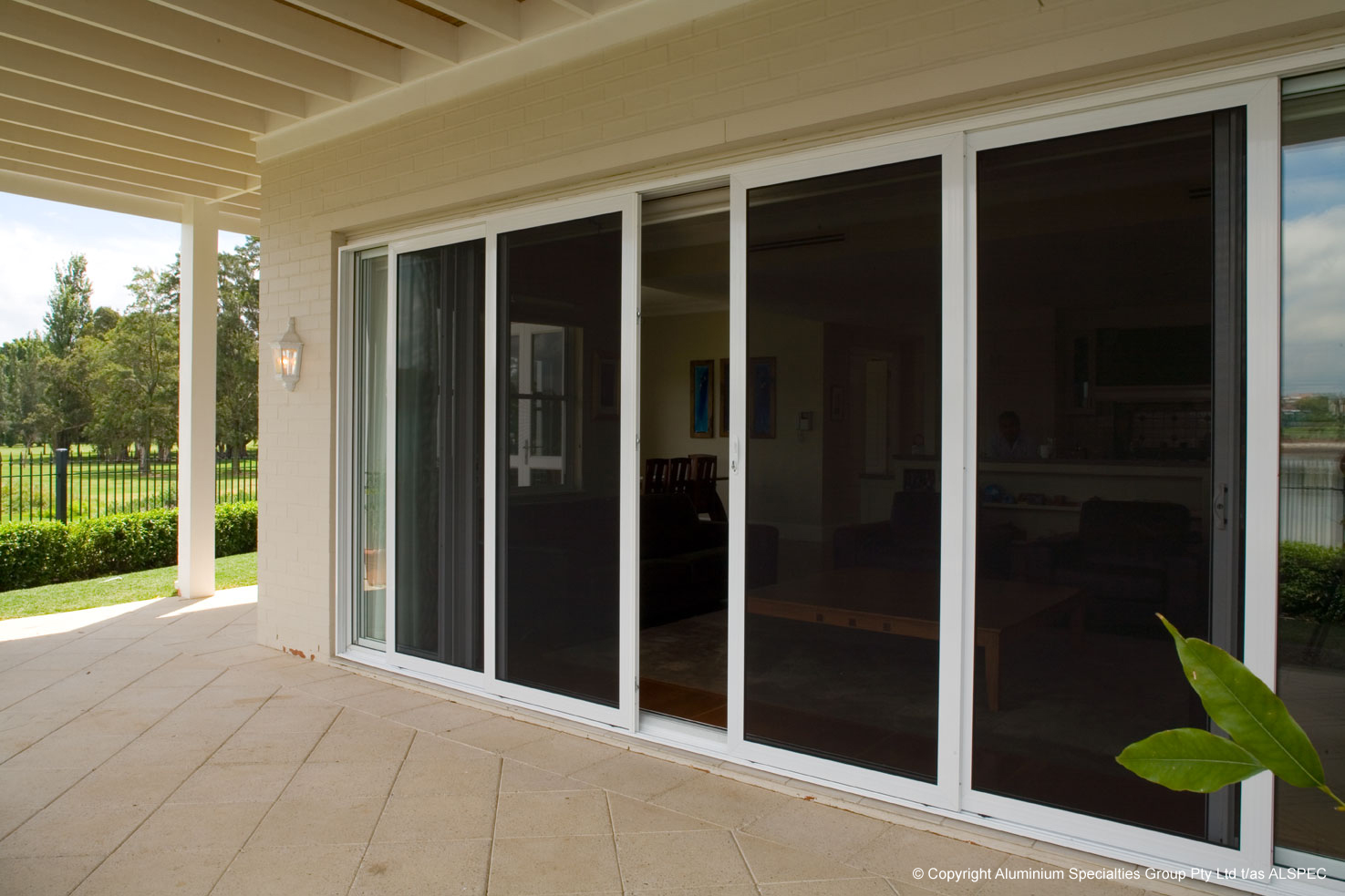
Security door testing helps show whether a security screen door is built to handle real pressure, impact and corrosion, not just look strong from the outside. For Australian homes and businesses, this matters because a poorly made door may not provide the level of protection people expect.
In this blog, Custom Screens explains how security door testing works, what Australian Standards look for, and why tests such as dynamic impact, knife shear, lock and hinge testing, and salt spray testing are important when choosing a security screen door.
What Is Security Door Testing?
Security door testing is used to check how well a security screen door, window screen or barrier door may perform when exposed to impact, pressure, corrosion and attempted forced entry. Rather than relying on appearance alone, testing looks at the full system, including the security mesh, door frame, window frame, locks, hinges and fixings.
Under Australian Standards, security doors and screens may be tested against different types of mechanical force and physical attack. This can include a dynamic impact test to simulate human impact, a knife shear test to assess resistance to cutting, and lock or jemmy testing to check whether the door can remain securely closed under pressure.
This is also why good security doors should be chosen for both protection and everyday liveability, including airflow, visibility and peace of mind.
Why Australian Standards Matter for Security Doors
A security door should do more than look strong. Australian Standards help set clear test requirements for security doors, window screens, barrier doors and security window grilles, so homeowners can better understand whether a product has been tested for strength, durability and resistance to forced entry.
These standards look at how the door or window screen performs as a full system. That means the security mesh, door frame, window frame, lock, hinges and fixings all matter. If one part of the test panel fails, the whole product may not provide the level of protection expected.
Security doors generally need to pass the relevant tests as a complete system, not just one part, to meet Australian Standards.
For Perth and WA homes, this can be especially important in coastal areas where corrosion resistance, salt spray exposure and long-term durability should also be considered.
Key Security Door Tests Explained
Different security door tests look at different parts of the door or window screen system. These tests are designed to check how the security mesh, door frame, window frame, locks, hinges and fixings respond to impact, cutting, pulling force, corrosion and attempted forced entry.
Dynamic Impact Test
A dynamic impact test is designed to simulate force against a security door, screen door or window screen. This may involve a large pendulum weight applying impact energy to a test panel to see how the screen responds under pressure.
This type of impact test helps assess how the door or window screen may perform during human impact, flying debris or an intruder attempting to force the door open. The test looks at whether the screen can remain securely closed and whether the mesh stays within the frame.
Knife Shear Test
A knife shear test checks how well the security mesh resists cutting. During this test, a heavy-duty trimming knife or heavy-duty knife may be used against the mesh at a specified point to simulate a knife attack.
This matters because a weak mesh may be easier to cut, especially if it is not designed for security use. Quality stainless steel mesh can help improve resistance to cutting and physical attack when used as part of a properly tested security door system.
Lock and Hinge Tests
A security door lock, hinges and door frame all play an important role in keeping the door secure. Lock and hinge tests help check whether these parts can withstand mechanical force and stay in place under pressure.
Testing may include a jemmy test or an anti-jemmy test, where force is applied to simulate someone trying to pry the door open. Pull testing may also be used to check whether the lock, hinges, pull test bracket, and fixings can hold securely during an attempted forced entry.
Salt Spray Test
A salt spray test checks corrosion resistance by exposing the test panel to a controlled salt spray environment. This is especially relevant for homes in a coastal area, where salt in the air can affect doors and windows over time.
If a security door or window screen is not corrosion-resistant, rust or weakened fixings may reduce its long-term performance. For Perth and WA homes near the coast, corrosion-resistant stainless steel mesh can be an important consideration when choosing a security screen.
What Does It Mean If a Security Door Passes Testing?
When a security door passes testing under the relevant Australian Standards, it means the complete door or window screen system has met the required performance level for that specific test. This may include resisting impact energy, staying within the door frame, remaining securely closed, or showing suitable corrosion resistance after salt spray testing.
It is important to remember that security door testing is about the full system, not just one part. A strong mesh still needs to work with the right frame, lock, hinges, fixings and installation. If the test panel fails, or if one part creates a sufficient gap during testing, the product may not deliver the expected level of protection.
This is why choosing a tested product and a licensed installer matters. A properly fitted security screen door is more likely to perform as intended when exposed to pressure, weather and attempted forced entry.
What to Check Before Choosing a Security Door
Testing is important, but it is not the only thing to look at when choosing a security door, security screen or door or window screen. The right product should suit the opening, the door frame or window frame, your location and the level of protection you want.
Before choosing a security door, consider:
- Evidence that the product has been tested to Australian Standards
- Security mesh suited to impact, cutting, corrosion and everyday use
- Strong frames, locks, hinges and fixings for the opening
- Corrosion resistance for coastal areas or exposed locations
- Extra features such as pet doors, privacy mesh or decorative styles
- Professional measuring and installation by a licensed installer
If you are comparing security doors or screens online, make sure the product details, measurements, materials and installation requirements are clear before you order.
Choose Security Doors Tested for Real Conditions
Security door testing can help you understand whether a door or screen is built for more than appearance. From impact and knife shear testing to lock, hinge and salt spray testing, the right product should be made to suit your home, location and security needs.
Custom Screens can help you choose security doors, screens and windows that suit your property and are professionally measured and installed for the best fit.
Contact Custom Screens today to discuss your security door options.